China launches the Chang'e 4 probe to the hidden face of the Moon
Obtener enlace
Facebook
X
Pinterest
Correo electrónico
Otras aplicaciones
China launches the Chang'e 4 probe to the hidden face of the Moon
https://danielmarin.naukas.com/files/2018/12/Captura-de-pantalla-26.png
China launches the Chang'e 4 probe to the hidden face of the Moon
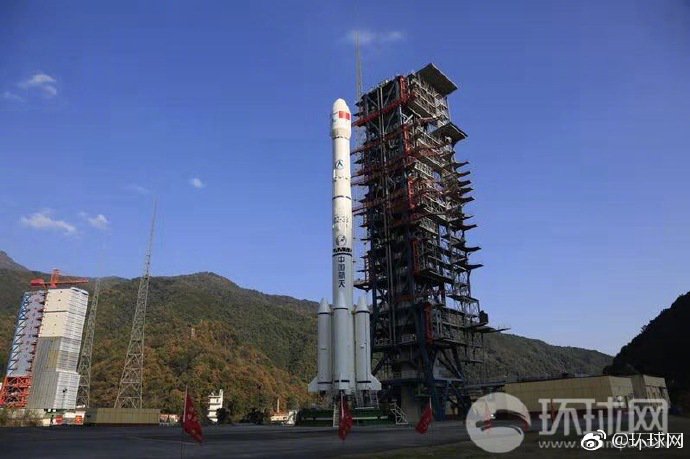
China has launched the first probe that will land on the hidden side of the Moon. On December 7, 2018 at 18:23 UTC, the Cháng'é 4 took off from the LC-2 ramp in the center of Xichang aboard a Long March rocket CZ-3B / G3Z (or CZ-3B / GIII, a variant of the CZ-3B with a modified cryogenic third stage for deep space missions that was already used in the launching of the Cháng'é 3 in December 2013). If all goes well, the Cháng'é 4 mission will become the second Chinese probe that lands on the lunar surface after Chang'e 3. It is also the eighth Chinese lunar ship after the Cháng'é 1, Cháng'é 2 , Cháng'é 3, Cháng'é 5-T1, Quèqiáo, Lonngjiang 1 and Longjiang 2. The initial transfer orbit is 200 x 420,000 kilometers. The Cháng'é 4 is scheduled to enter lunar orbit on December 11.
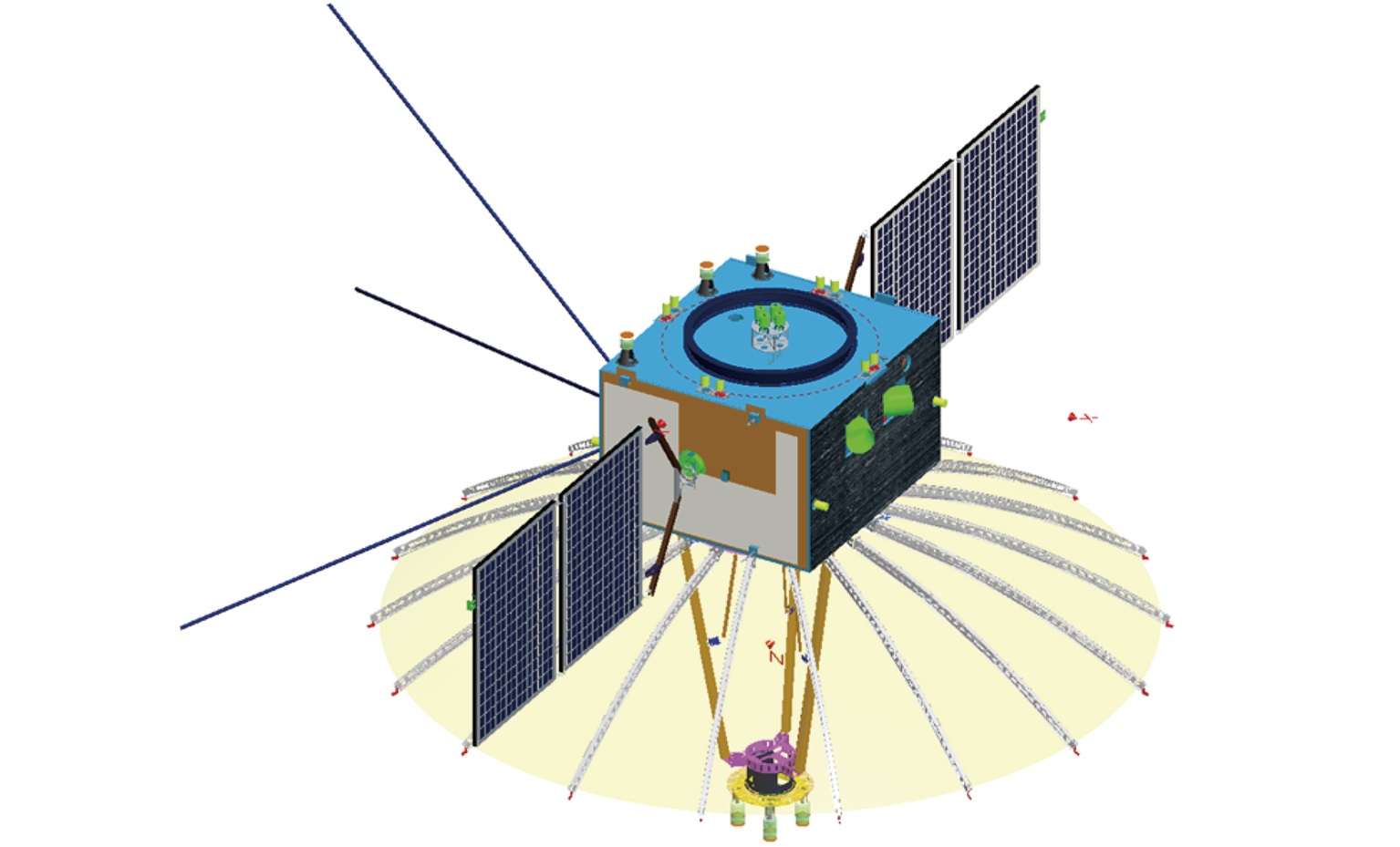
La Cháng'é 4 on the hidden side. The antennas of the low frequency radio astronomy experiment (Xinhua) stand out.
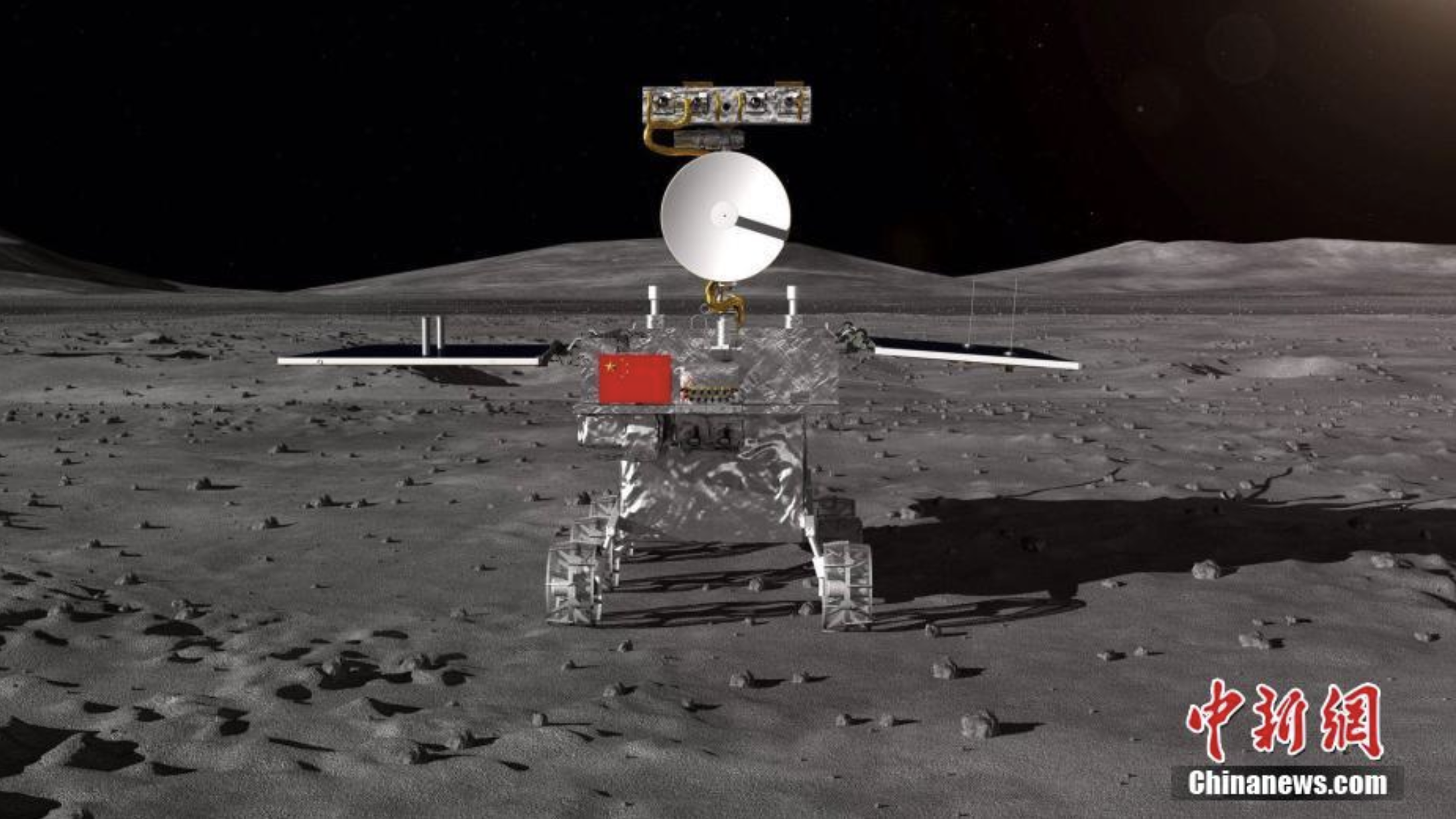
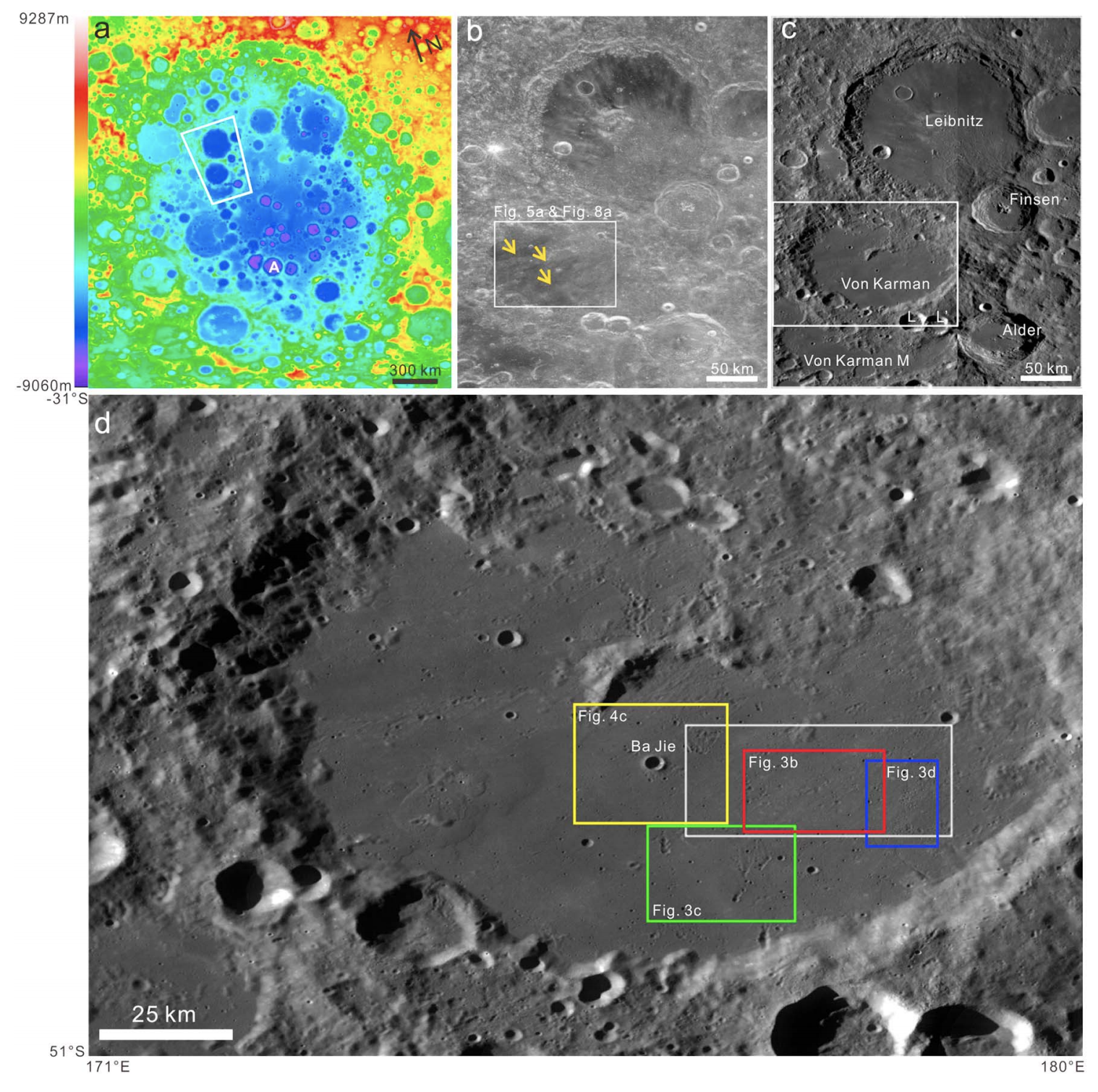
The Cháng'é 4 (CE-4 or 嫦娥 四号) and its rover will land in the Von Kármán crater of the Aitken basin area, located at 45.5º south latitude and 178º east longitude, on the hidden side of our satellite on January 3, 2019. It is a ship of about 3,780 kg with a design identical to that of the Cháng'é 3 probe and carries a small rover of 140 kg identical to the Yùtù of the Chang'e 3. The Cháng'é 4 probe was originally built as a reserve for the Cháng'é 3. In principle, the probe had to take off in 2015, but was repeatedly delayed to the point that it was rumored to have been canceled. The success of Chang'e 3, which achieved almost all its objectives on the first attempt, made the mission of the Cháng'é 4 somewhat superfluous. In addition, China wanted to concentrate on the Cháng'é 5, a much more ambitious return mission that was due to take off in 2018. Finally, in 2015 China confirmed that it would launch the Cháng'é 4 after from the Cháng'é 5 to the hidden face of the Moon.
Launch of Chang'e 4 (Xinhua).
But the development problems of the launching rocket of the Cháng'é 5, the Long March CZ-5, forced to postpone the mission Cháng'é 5 to 2019, reason why in the end the Cháng'é 4 would take off before. La Cháng'é 4 incorporates several instruments, among them the German LND neutron detector (Lunar Lander Neutrons and Dosimetry) built by the German space agency (DLR), a small "astrobiology" experiment and a radioastronomy experiment. The astrobiological experiment, 3 kg, carries silkworms, as well as potato seeds and arabidopsis, a very common plant in space trials, including an experiment on the Chinese space station Tiangong 2. The seeds should germinate inside a pressurized container of 18 x 16 centimeters and 3 kilograms. The experiment, developed by 28 Chinese universities, incorporates its own reserves of air, water and nutrients, in addition to a camera.
Chang'e 4 probe to study the hidden face of the Moon. The Chang'e 4 before the launch (Xinhua). The Chang'e 4 in l aLuna (Xinhua). The Chang'e 4 during the vacuum chamber tests (Xinhua).
The radioastronomy experiment LFS (Low Frequency Spectrometer) will use five deployable antennas to observe the sky at frequencies of 0.1 to 40 megahertz. These low frequencies are the least explored part of the electromagnetic spectrum because of interference with artificial radio signals, but Cháng'é 4 will be able to study the celestial vault using the entire mass of the Moon as a shield. The observations will be carried out jointly with the Quèqiáo repeater satellite, equipped with a similar instrument. The probe also carries the lower chamber LCAM (Landing Camera) to film the moon landing and the TCAM color panoramic camera (Terrain Camera) similar to those of Chang'e 3.
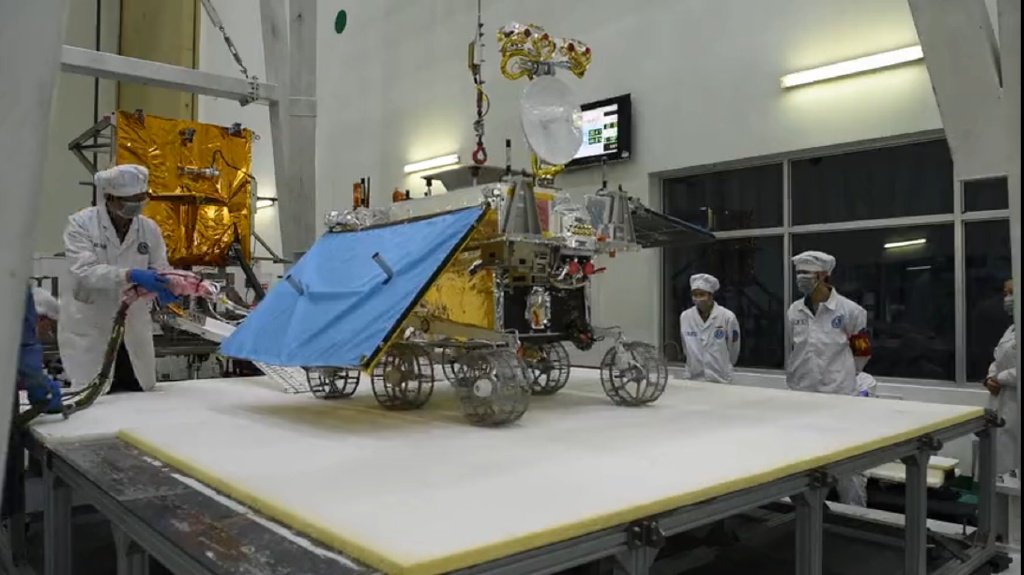
The 140 kg (月球 车) rover has not yet received an official name even though China organized a contest to baptize it. It is possible that in the next few days we will know which is the name of what should become the fourth automatic rover that runs the Moon and the first that will move on the hidden side. The rover carries a panoramic PCAM camera (Panoramic Camera), the LPR radar (Lunar Penetrating Radar) to study the subsoil, the infrared spectrometer VNIS (Near-Infrared Imaging Spectrometer) and the neutral atom detector ASAN (Advanced Small Analyzer for Neutrals) manufactured in Sweden. The rover of the Cháng'é 4 does not incorporate an X-ray spectrometer using alpha particles (APXS) like the one carried by the Yùtù rover of the Cháng'é 3.
Astrobiology experiment aboard Chang'e 4 (Xinhua). The rover of the Cháng'é 4 (Xinhua). The rover of the Chang'e 4 before the launch (Xinhua).
To guarantee communications with the Cháng'é 4 with the Earth, China launched on May 20 the Quèqiáo repeater satellite ("鹊桥" 号 中继 星), also known as LRS ([Chang’e 4] Lunar Relay Satellite) or 嫦娥 四号 中继 星 / Cháng'é 4 hào Zhōngjì Xīng). Quèqiáo has a mass of 425 kg and was launched by a Long March CZ-4B rocket from Xichang. It is currently located in a halo orbit - with a diameter of 13,000 kilometers - around the Lagrange L2 point of the Earth-Moon system (EML-2), between 64,500 and 80,000 kilometers on the hidden face of our satellite. Quèqiáo uses the CAST-100 platform and includes a deployable antenna of 4.2 meters in diameter that will transmit data to and from Chang'e 4 on four channels in X band at 256 kbps and one channel in S band at 2 MBps towards the Land. It has several engines with a total thrust of 130 newton fed by a tank with 100 kg of hydrazine. The accuracy in pointing the antenna will be 0.06º and its useful life is estimated to be five years. Quèqiáo also has a laser retroreflector 17 cm in diameter to measure its precise position with respect to the Earth. By the way, Quèqiáo means in Mandarin the "bridge of magpies" and is an element of the Chinese legend that sees in the Milky Way a bridge formed by birds -urracas- that every year unites the lovers represented by the stars Vega and Altair ( it is a legend, a very popular legend in Asia that serves as an excuse to celebrate several annual festivals, with the Japanese Tanabata being the best known).
Retransmitting satellite Queqiao (chinaspaceflight.com). Queqiao before the launch with the folded antenna (Xinhua). Schematic situation of the EML2 point and Queqiao halo orbit. The lunar probe Chang'e 4 and the Queqiao relay satellite that will be used for communications (chinaspaeceflight.com).
The Chang'e 4 will land in the Von Kármán crater of the Aitken basin area, located at 45.5 degrees south latitude and 178 degrees east longitude on the hidden side of our satellite (although other places are being considered). Quèqiáo (鵲橋 or 鹊桥) means in Mandarin the «bridge of magpies», a name that refers to the Chinese legend that sees in the Milky Way a bridge formed by birds -urracas- that every year unites the lovers represented by the stars Vega and Altair (on the occasion of this legend several festivals are held annually throughout Asia, the most popular being the Japanese Tanabata). Its correct pronunciation, leaving aside the tones, is not 'kuekiao', But something like'chüechiao' (the or has a sound similar to or German or the or French). In the same way Cháng'é is pronounced as two separate syllables and not as change or chan-ge (and that's not to mention the delicate matter of the tones and that the vowel and in Mandarin it has a peculiar sound that brings it closer to or Spanish).
Landing area of the Cháng'é 4. Aitken basin to the left. Below, the Von Kármán crater where the probe will land (in one of the regions that appear in rectangles) (Huang et al.). Reconstruction of the moon landing of Chang'e 4 (Xinhua). The Chang'e 4 on the Moon (Xinhua). The Chang'e 3 on the Moon seen from the Yutu rover (http://moon.bao.ac.cn).
If all goes well, the Cháng'é 4 will be a fundamental step forward in the ambitious Chinese lunar exploration program (CLEP) that should launch a fleet of probes to our satellite during the next decade. In 2019 the Cháng'é 5 will be launched to bring samples from the area of Mons Rümker, in the Oceanus Procellarum. Between 2020 and 2024, up to three additional Cháng'és will take off, which will land on the south pole of the Moon. One of them, probably the Cháng'é 6, will bring samples from this area.
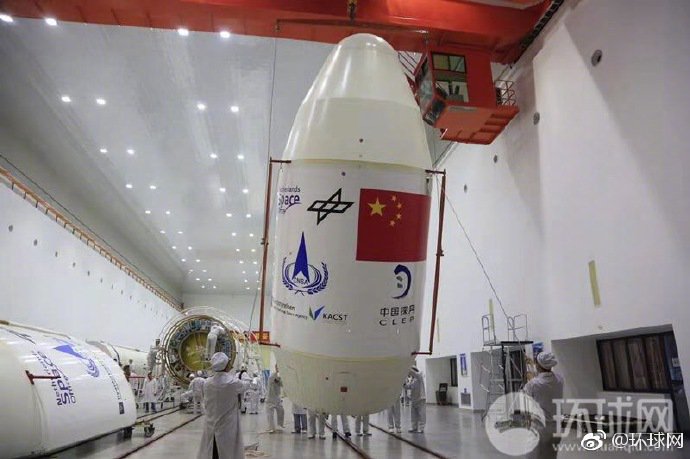
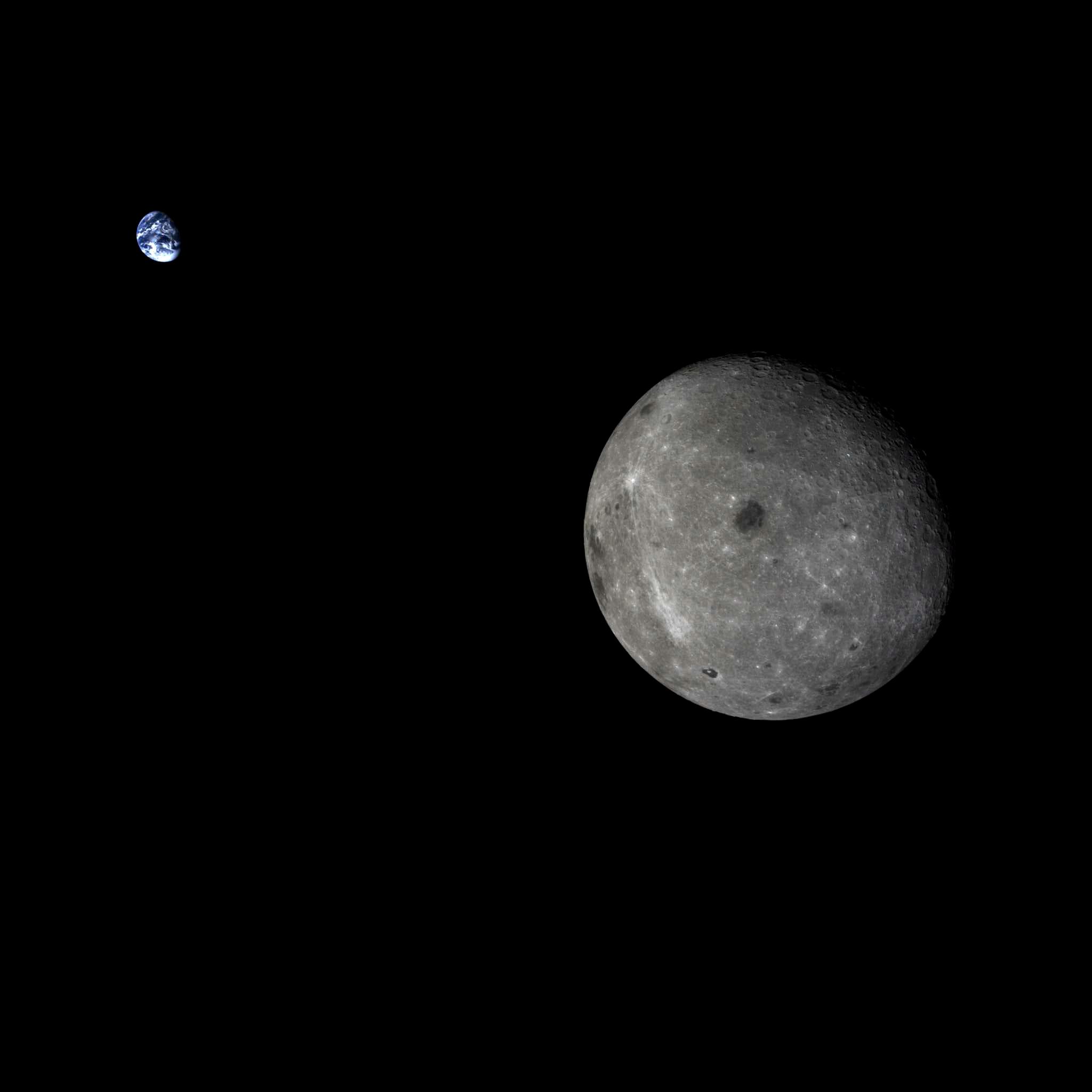
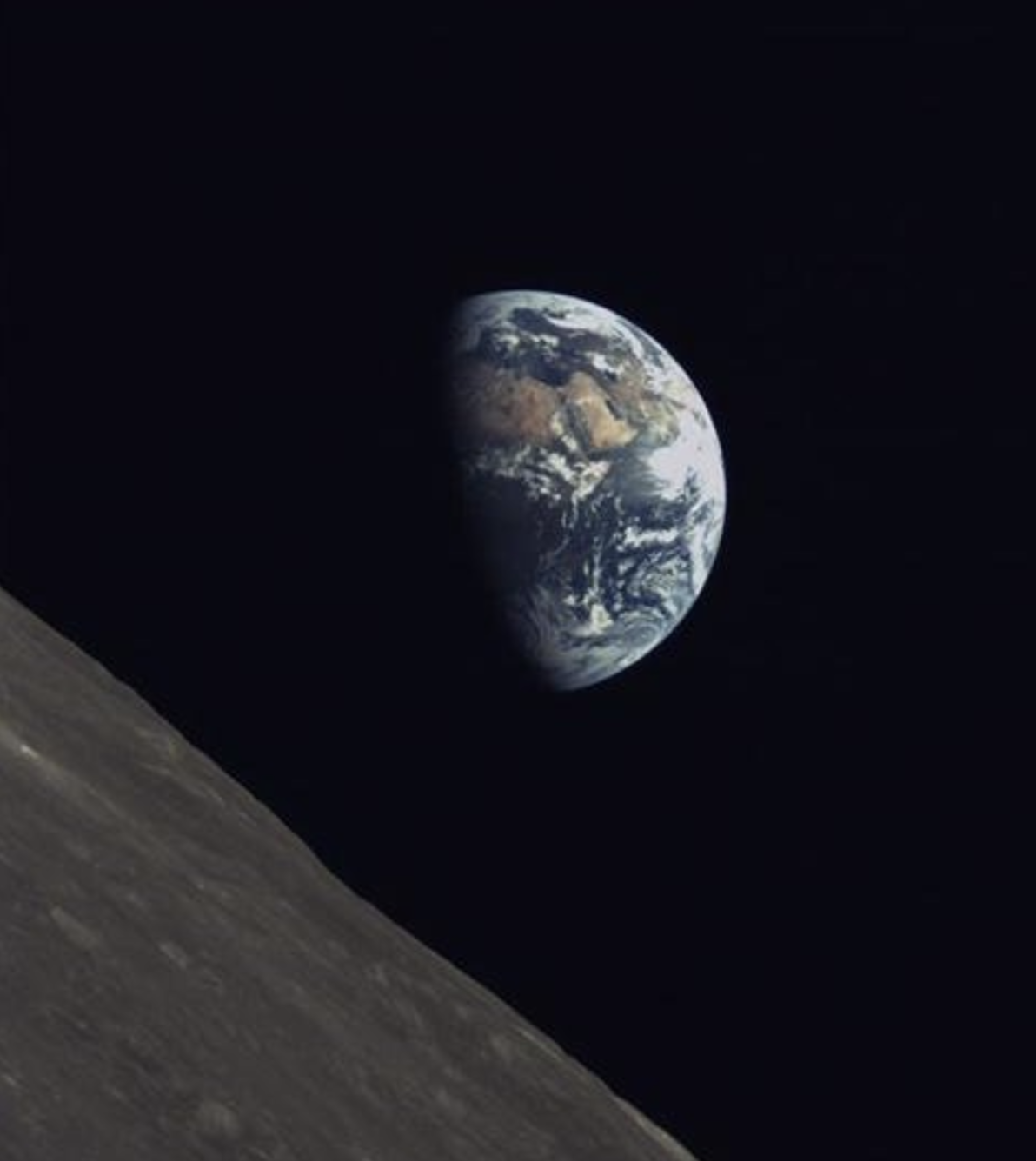
The launching rocket of the Chnag'e 4. The cap of the Chang'e 4 (Xinhua). Another view of the rover (Xinhua). The Earth and the hidden side of the Moon seen by the Longjiang 2 satellite (Xinhua). The hidden side of the Moon and Earth seen by the Chang'e 5-T1 (Xinhua). The Earth seen from the Moon by the Saudi camera of Longjiang 2 (Xinhua).
Grupos de privacidad que reclaman anuncios en línea pueden dirigirse a víctimas de abuso
https://media.wired.com/photos/5c4bd1aaf254572cc21b81f8/191:100/pass/TrackerAdsAreBad%20(1).jpg
Grupos de privacidad que reclaman anuncios en línea pueden dirigirse a víctimas de abuso
Defensores europeos de la privacidad dicen que el complejo proceso de licitación detrás de la publicidad conductual en línea amenaza la privacidad de los consumidores. Para colocar anuncios en las páginas web, las empresas difunden ampliamente lo que saben sobre un usuario que visita la página, incluidos datos potencialmente confidenciales sobre el tipo de contenido que la persona ve, escucha o lee. Los nuevos documentos presentados el lunes ante los reguladores en Polonia, el Reino Unido e Irlanda afirman que la forma en que se manejan los datos personales durante el proceso de hacer coincidir los anuncios con los espacios publicitarios no cumple con los requisitos de la Unión Europea. Reglamento general de p...
¿Puede Apple Watch prevenir los golpes? Nuevo estudio pretende descubrir
https://static.foxnews.com/foxnews.com/content/uploads/2018/09/dcd037e4-Apple-Event_Vros.jpg
¿Puede Apple Watch prevenir los golpes? Nuevo estudio pretende descubrir
Foto del archivo: El CEO de Apple, Tim Cook, habla sobre el nuevo Apple Watch durante un evento de Apple el lunes 9 de marzo de 2015 en San Francisco. (Foto AP / Eric Risberg) manzana El reloj ya ha sido acreditado con salvando vidas alertando a los portadores sobre las condiciones del corazón. ¿Pero puede el smartwatch prevenir golpes? Un nuevo estudio de Johnson & Johnson pretende descubrirlo. La compañía farmacéutica se está asociando con Apple para estudiar si las notificaciones de ritmo irregular del wearable y la aplicación de ECG en el Apple Watch Serie 4 pueden ayudar a acelerar el diagnóstico de fibrilación auricular (una enfermedad cardíaca que puede provocar un accidente cerebrovascular) y mejor...
Las empresas ofrecen regalos gratuitos, ofertas especiales de cierre y asistencia a los trabajadores...
https://www.gannett-cdn.com/presto/2019/01/10/USAT/55317dbc-b9c3-4865-aa96-228ae272a325-fazoli.jpg?crop=1240,698,x0,y0&width=3200&height=1680&fit=bounds
Las empresas ofrecen regalos gratuitos, ofertas especiales de cierre y asistencia a los trabajadores federales
CERRAR Los empleados federales sin permiso recurren a las clases de improvisación durante el cierre del gobierno en el Washington Improv Theatre. Jack Gruber, USA HOY Llámalos "ofertas especiales de apagado" y "regalos gratuitos". Mientras que un acuerdo para poner fin al cierre de gobierno más largo parece estar muy lejos Algunas empresas están ofreciendo a los trabajadores federales con licencia un poco de alivio que va desde comidas gratis, descuentos en restaurantes, aplazamiento de pagos y préstamos sin interés. Alrededor de 800,000 empleados federales han estado sin...

Retransmitting satellite Queqiao (chinaspaceflight.com).
The Earth seen from the Moon by the Saudi camera of Longjiang 2 (Xinhua).




 Retransmitting satellite Queqiao (chinaspaceflight.com).





 The Earth seen from the Moon by the Saudi camera of Longjiang 2 (Xinhua).


Comentarios
Publicar un comentario